
Feeding tree frogs and pacman frogs
The short answer: both eat live insects no wider than the space between their eyes, fed at night. Tree frogs live mostly on crickets and small roaches; pacman frogs take those plus worms and hornworms, and adults can handle an occasional pinky mouse — but a pacman will eat itself sick if you let it, so portions are your job.
Tree frogs (White's, red-eyed, and similar)
Crickets and small dubia roaches are the staples, with the occasional hornworm as a treat. Juveniles eat daily; adults eat two to three times a week. Dust insects with calcium plus D3 at most feedings and a multivitamin about once a week. Feed in the evening, when these nocturnal frogs are active, and remove uneaten crickets the next morning — loose crickets bite resting frogs, and a bite can become an infection.
Pacman frogs
Pacmans are ambush predators: they sit half-buried and lunge at anything that moves past. Good foods are crickets, dubia roaches, hornworms, and nightcrawlers, offered with tongs — pacman bites hurt, and fingers look like food. Juveniles eat daily; adults eat two to three times a week. An adult can take a pinky mouse occasionally, but mice are fatty and should never become the staple — worms and insects are the everyday diet.
The overfeeding trap
Pacman frogs have no off switch. In the wild, a huge meal is rare, so they gorge when they can; in captivity, that instinct produces obese frogs with fatty liver disease. Feed measured portions on a schedule, not until the frog stops — because it won't stop. If your pacman's belly drags or its eyes look sunken behind fat, cut back and check with a vet.
Prey size and dusting
The eye rule covers both frogs: no prey wider than the space between the frog's eyes. Oversized prey risks choking and impaction. Dust with calcium plus D3 at most feedings and a multivitamin weekly, and gut-load the insects first — what the insect ate is what the frog gets.
Order the feeders in this guide
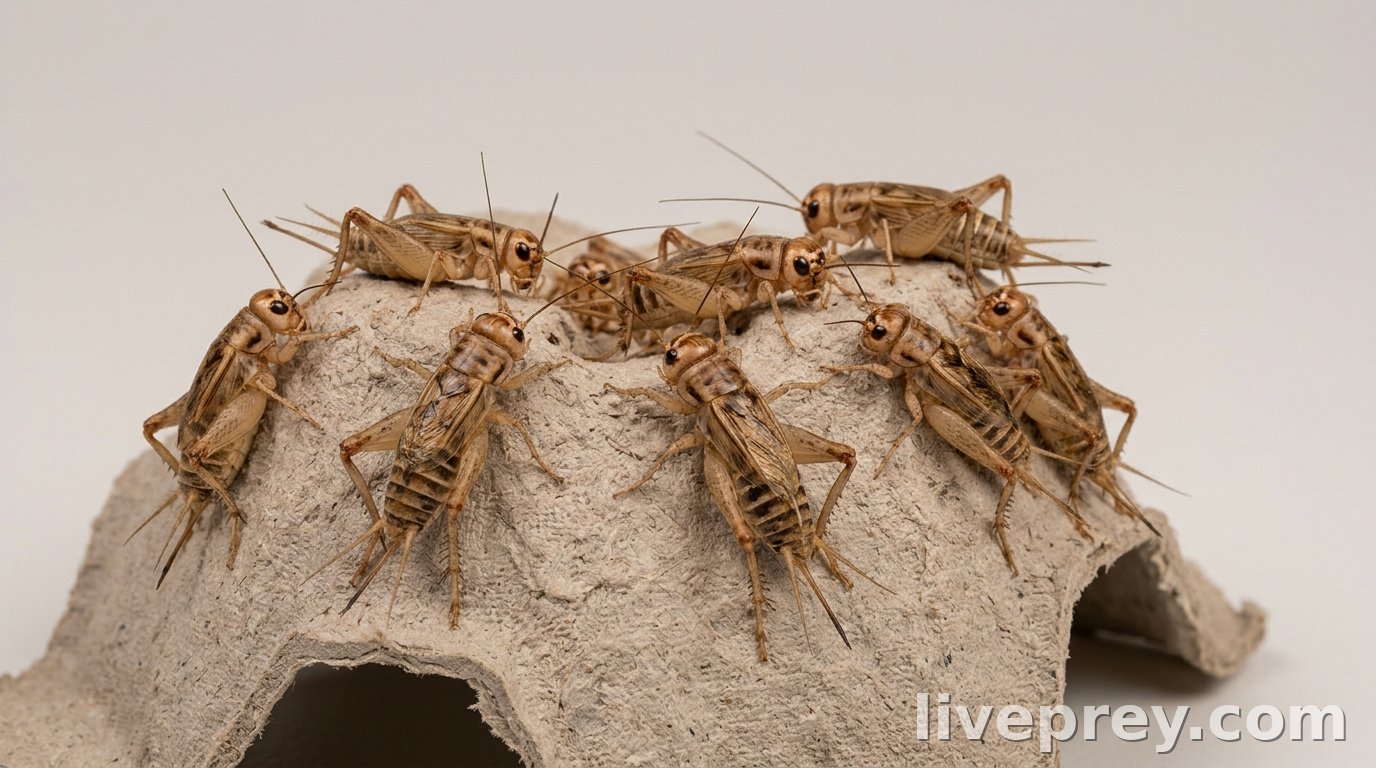
Banded Crickets - 1,000 ct
$37.94 FREE shipping
Additional units only $28.99 each.
The classic staple feeder, bought weekly by reptile keepers everywhere. Banded crickets are hardy, active, and easy for bearded dragons, leo...
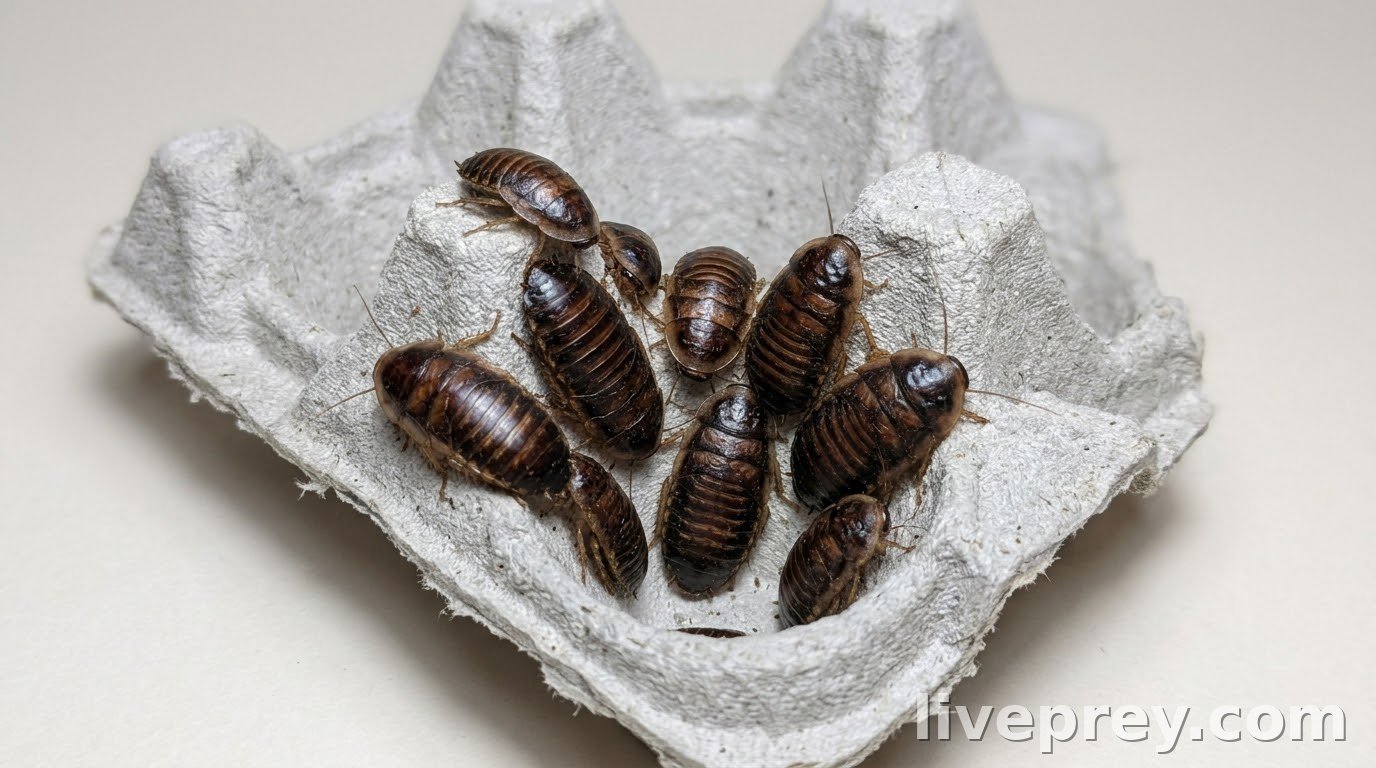
Dubia Roaches - Small - 100 ct
$28.94 FREE shipping
Additional units only $19.99 each.
Small dubia roaches are quiet, slow-moving, long-lived, and more nutritious than crickets — the premium staple for bearded dragons, geckos, ...
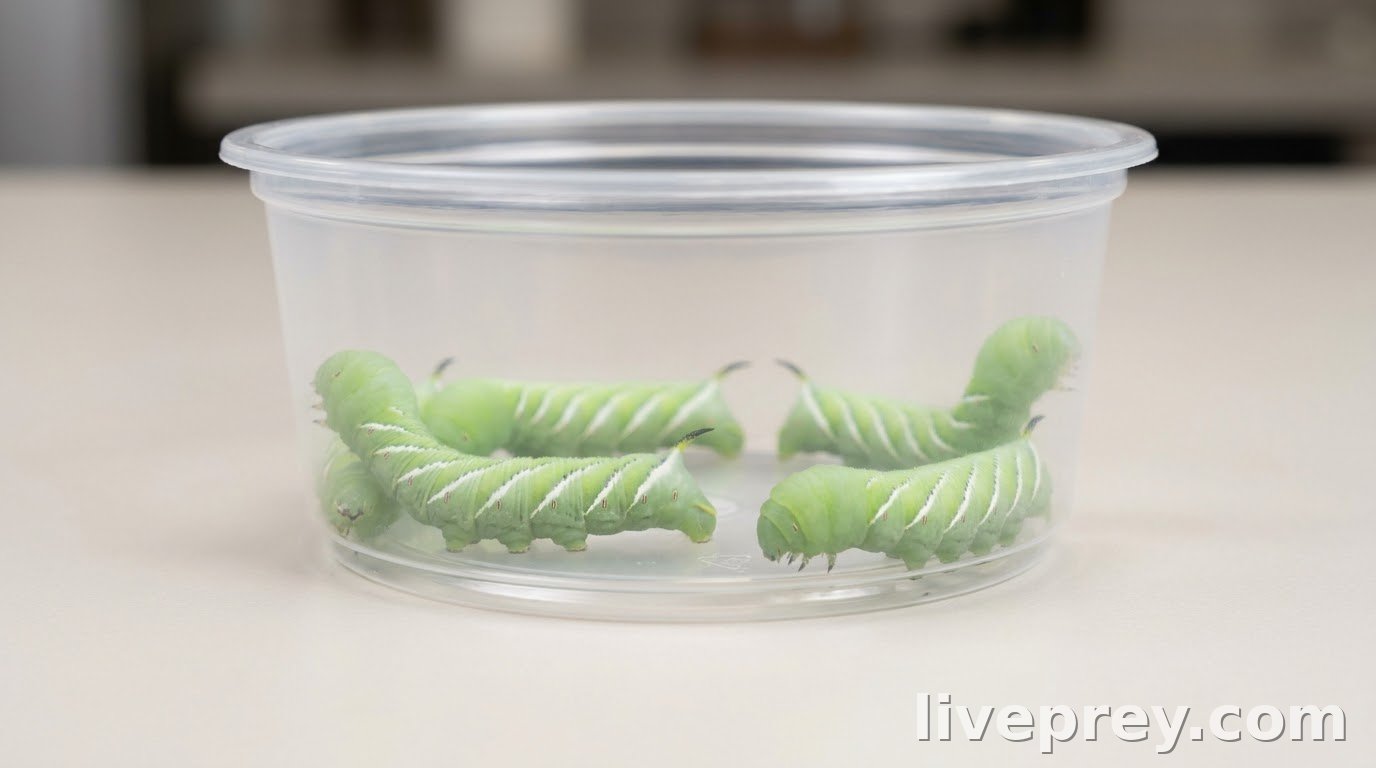
Hornworms - 25 ct habitat cup
$22.99 FREE shipping
Bright green, soft-bodied hornworms that arrive in a habitat cup with food included. A hydrating treat lizards go crazy for — feed them off ...
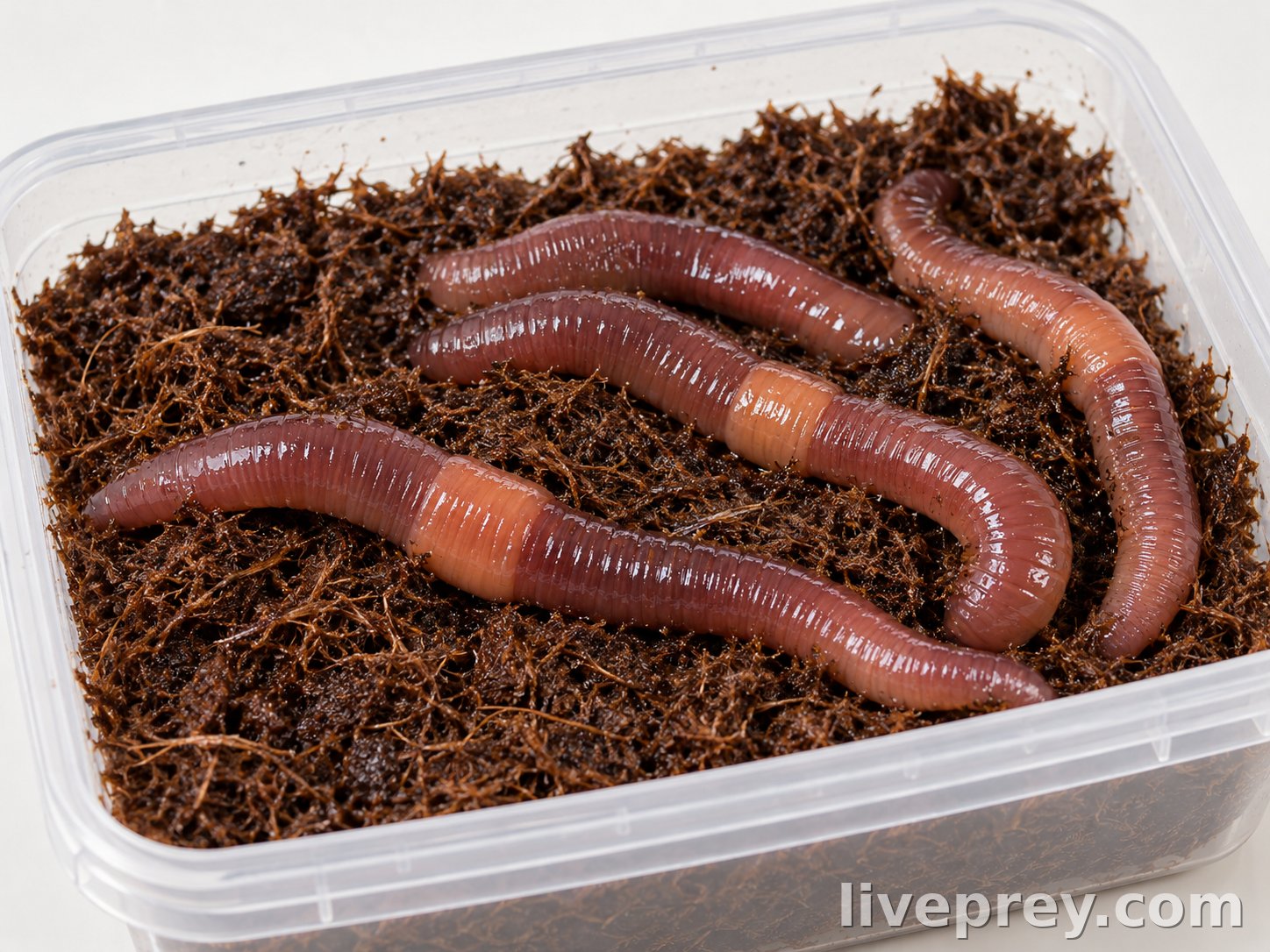
European Nightcrawlers - 500 ct
$63.99 FREE shipping
Bigger worms for bigger fish, axolotls, and bait. European nightcrawlers are heat- and cold-resistant shippers from a Pennsylvania worm farm...
You order here; we place your order with the breeder, and the breeder ships direct to you. Live arrival is covered within the supplying breeder's window — see our live arrival policy. General keeper guidance only, not veterinary advice: if your animal is sick, not eating, or losing weight, see a reptile or aquatic vet.